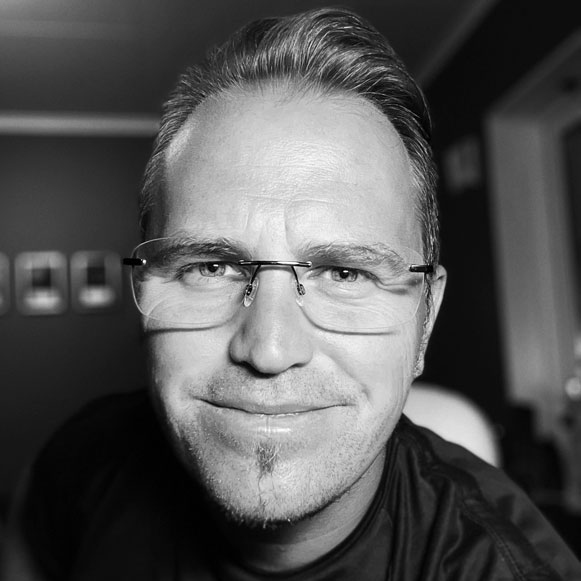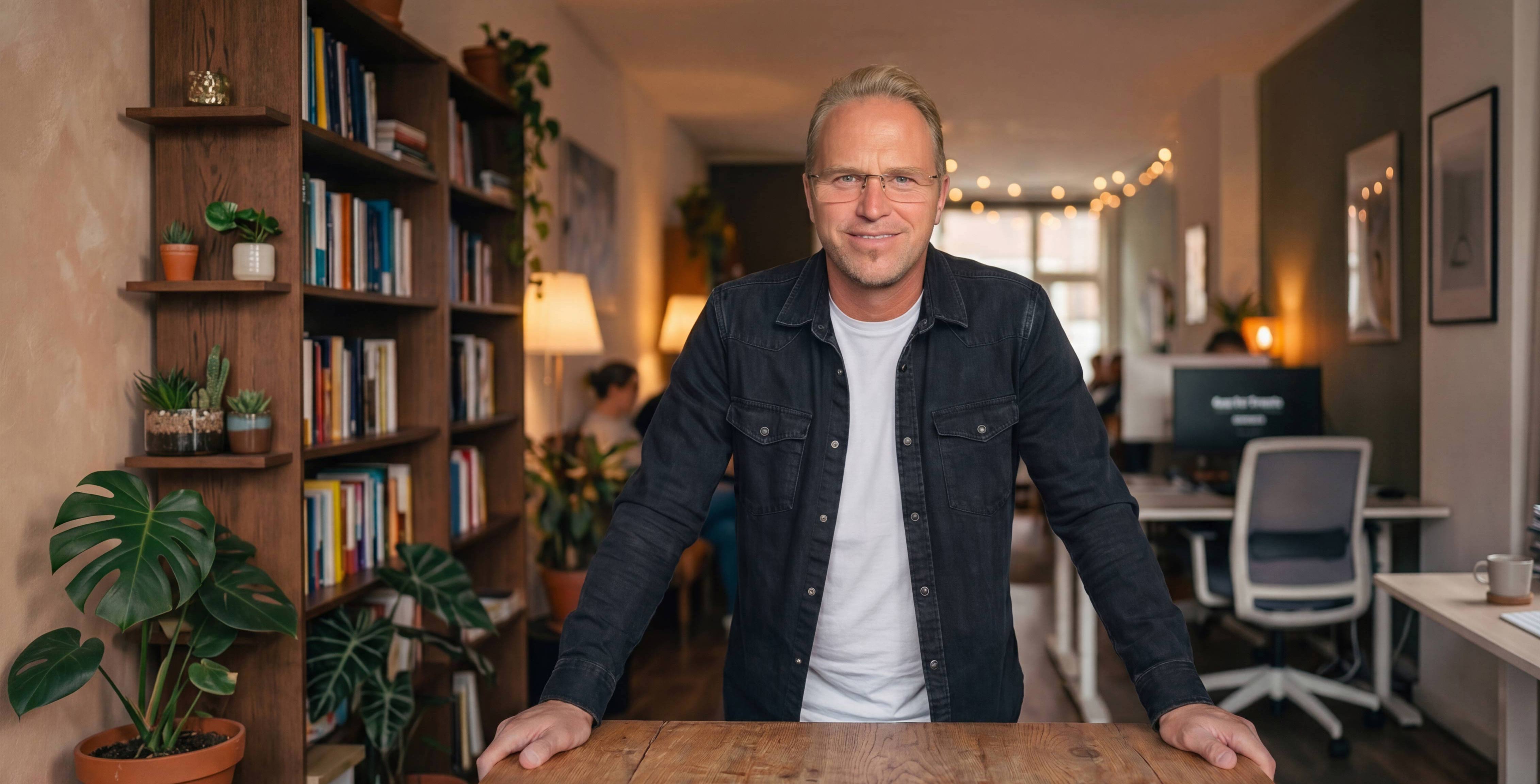
Peter Stahl

Working Genius facilitator

Build teams that stop fighting themselves.

The simplest and most practical workshop your team will ever try. Facilitated with twenty years of team-design experience. From inside the room you're trying to fix.

Stockholm
20 years in game development.
M.Sc., ex-Head of Development, ex-CEO, Producer.
EA DICE Resolution Games Modoyo Raw Fury Brym

Every project has 3 phases.
We all shine in one and burn out in another.

People get stuck or mandated into phases that drain them, while immense energy and potential are left untapped. Decisions stall. Projects drift. Your sharpest people quietly disengage.

The model

What does your team's map look like?

Every team has gaps. Most friction traces back to one or two types of work being chronically uncovered. Not because people are not trying, but because the energy for it simply is not on the team.

Wonder
Invention
Discernment
Galvanizing
Enablement
Tenacity

"So many great ideas, so many good calls. And we never actually finish anything."

How a workshop runs

From assessment to working agreement
in less than a week.

A typical alignment workshop runs as a four-step engagement. Most of the work happens before and after the live session.

01

Pre-call

A 30-minute call with the leader to understand the team, the friction, and what success looks like. I will tell you if the model is wrong for your situation.

02

Assessments

Each team member completes the Working Genius assessment. Takes 5-10 minutes. Results are confidential to me until the workshop.

03

Workshop

Three hours, facilitated. We map the team, name the dynamics, and walk through real situations from your work. People leave with shared language.

04

Follow-up

Written team map, working agreement template, and a 30-minute call two weeks later to check what is sticking and what needs adjustment.

About

Ex-studio CEO.
Helping teams stop being miserable.

Peter Stahl

Twenty years in games, from engineer to CEO. I scaled Resolution Games to ~70 people as Head of Development, then founded and ran Modoyo for five years. Today I consult through BringFire.

That background is the differentiator here. Most facilitators have studied teams. I have built, scaled, and restructured them under real pressure. I know what a team that does not work feels like from the inside. I know which workshops are worth the time and which waste it.

I'm a certified Working Genius facilitator. The framework works because it gives teams a shared language for what energizes and drains each person, which is the conversation most teams never quite have.

  • BasedStockholm
  • Working withLeadership, product, and service teams
  • Industry depthGames, tech, creative scale-ups
  • AvailabilitySelective. Two to three engagements per quarter.

Common questions

What buyers ask before booking.

How is this different from MBTI, DISC, or Strengthsfinder?

Those models describe personality. Working Genius describes work. It maps the six phases every project moves through and tells you which phases energize each person and which drain them. It is faster to learn, easier to apply, and built specifically for getting work done together rather than understanding each other in the abstract.

Can you facilitate remotely?

Yes. The workshop format works well over video with the right structure. On-site is available for teams in Stockholm, the wider Nordics, and selectively across Europe.

What does it cost?

Pricing depends on team size, format, and scope. Workshops typically run as a fixed fee in the lower five figure range (SEK), depending on engagement depth and follow-up. I am happy to share an indicative number on a 30-minute call once I know what you are trying to fix.

Our team has done other personality work. Will this feel redundant?

No, and that question usually comes from teams who have done MBTI ten years ago and never used it again. Working Genius is operational. People walk out using it the same week. If your team genuinely has a recent, well-applied framework, I will say so and recommend not running this on top.

How small or large can the team be?

For teams it becomes particularly useful with 5 and more team members. Above 15 it becomes a different format with multiple breakouts. It works well for founder pairs or trios too.

What industries do you typically work with?

Mostly games studios, tech, and scale-ups - especially in places where creativity and innovation is the hard currency. However, the model is industry-agnostic since it it revolves around humans and their projects.

Your team has an energy map.

Whether you like it or not. You've probably just never seen it.

Let me show you